
“…forgiveness: the unmaking of a chosen son, the birth of a good man.”
Katie Farris, author of BoysGirls and Standing in the Forest of Being Alive
praise for wine-Dark Mother and the Trapper’s Son

Jim Churchill-Dicks, MFA is the author of the full-length poetry and prose collection Wine-Dark Mother and the Trapper’s Son (Musehick Press 2016, Illustrated Second Edition 2024). He is also the founding editor of Torches n’ Pitchforks online literary journal (est. 2008) and teaches Literature and Writing in Central Oregon. His individual works have appeared in The Good Men Project, The Other Journal, Fire Magazine, Vain Magazine, Press 1 Quarterly and others.
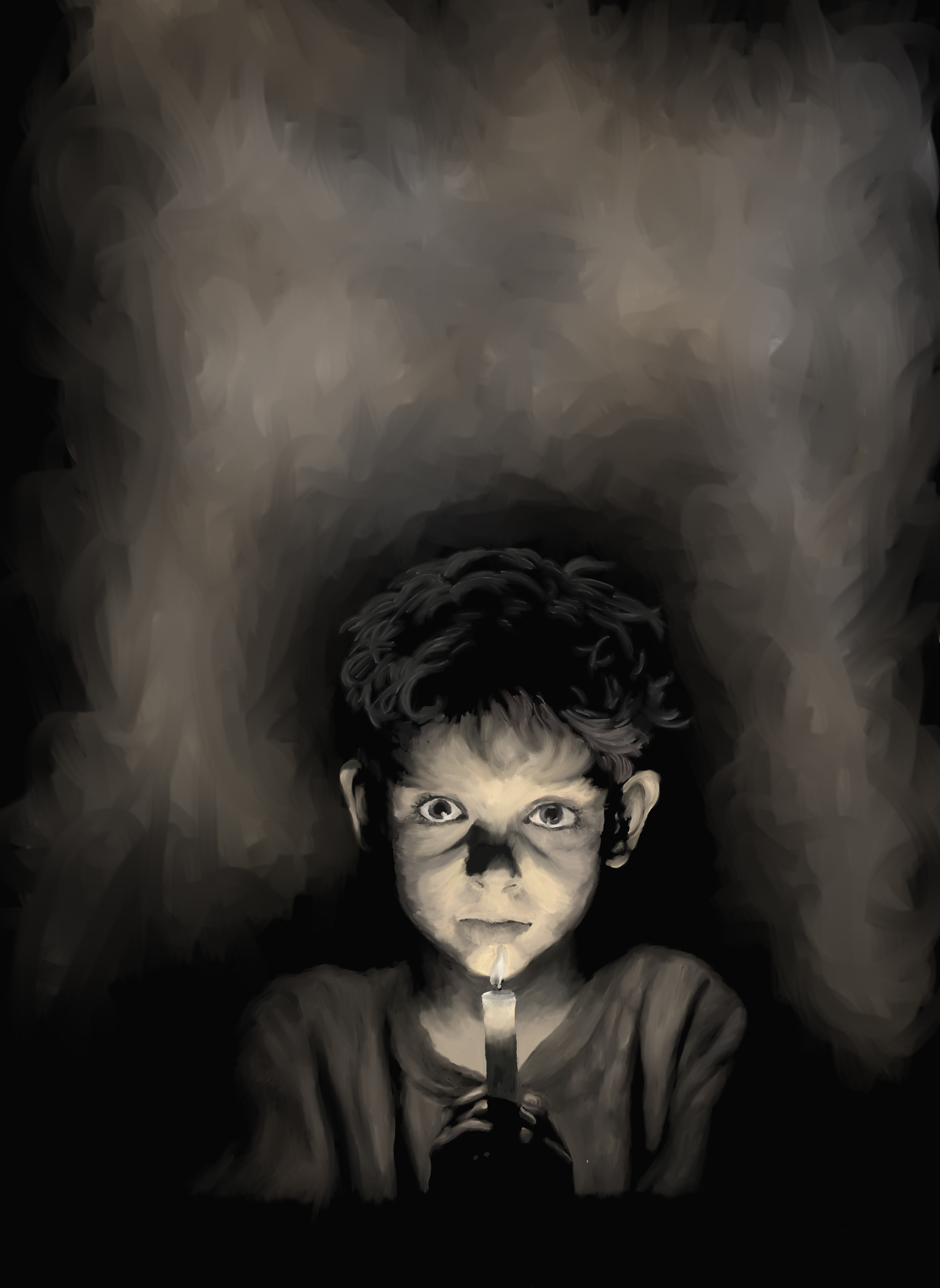
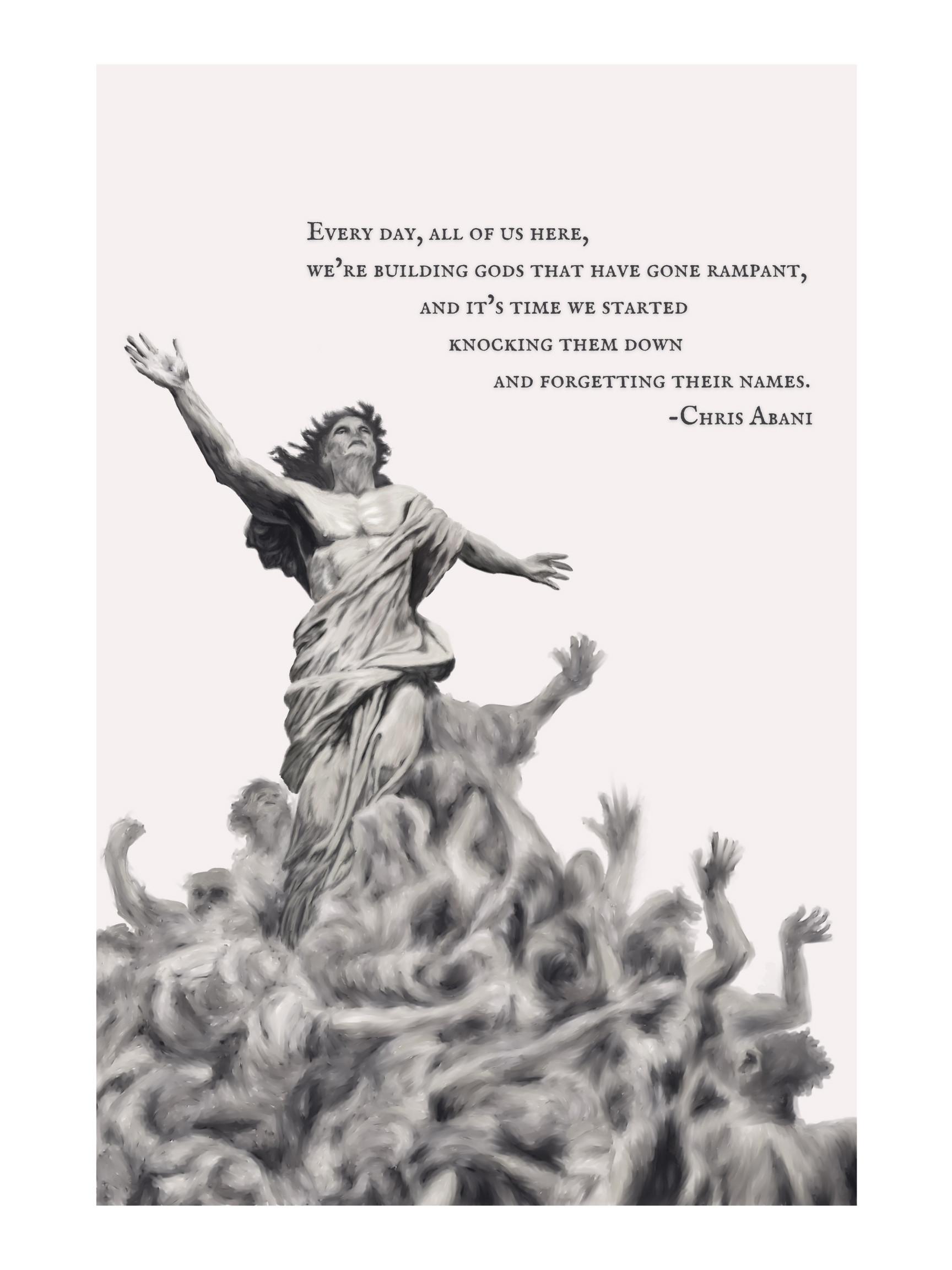
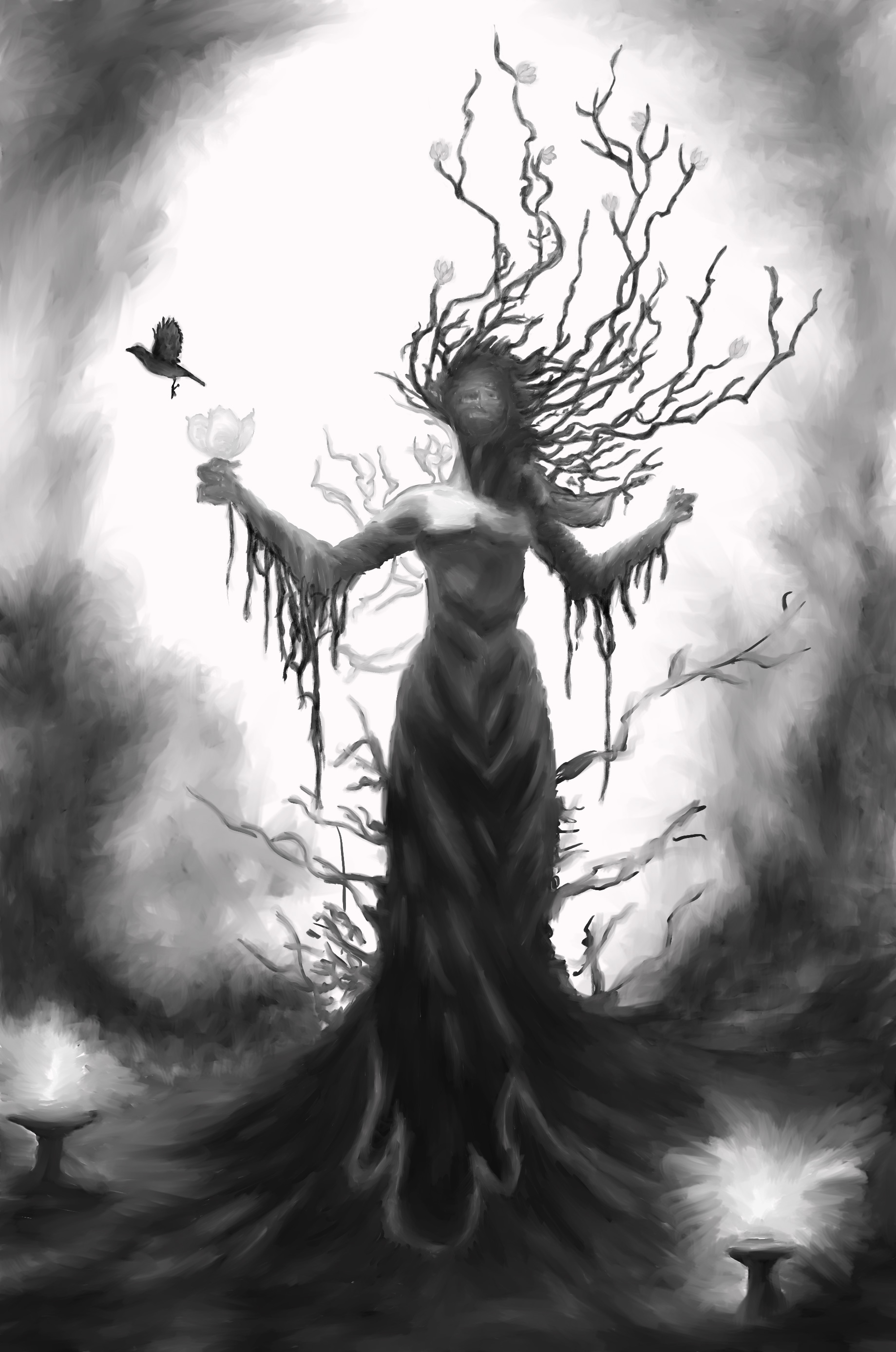
Debut: Wine-Dark Mother and the Trapper’s Son
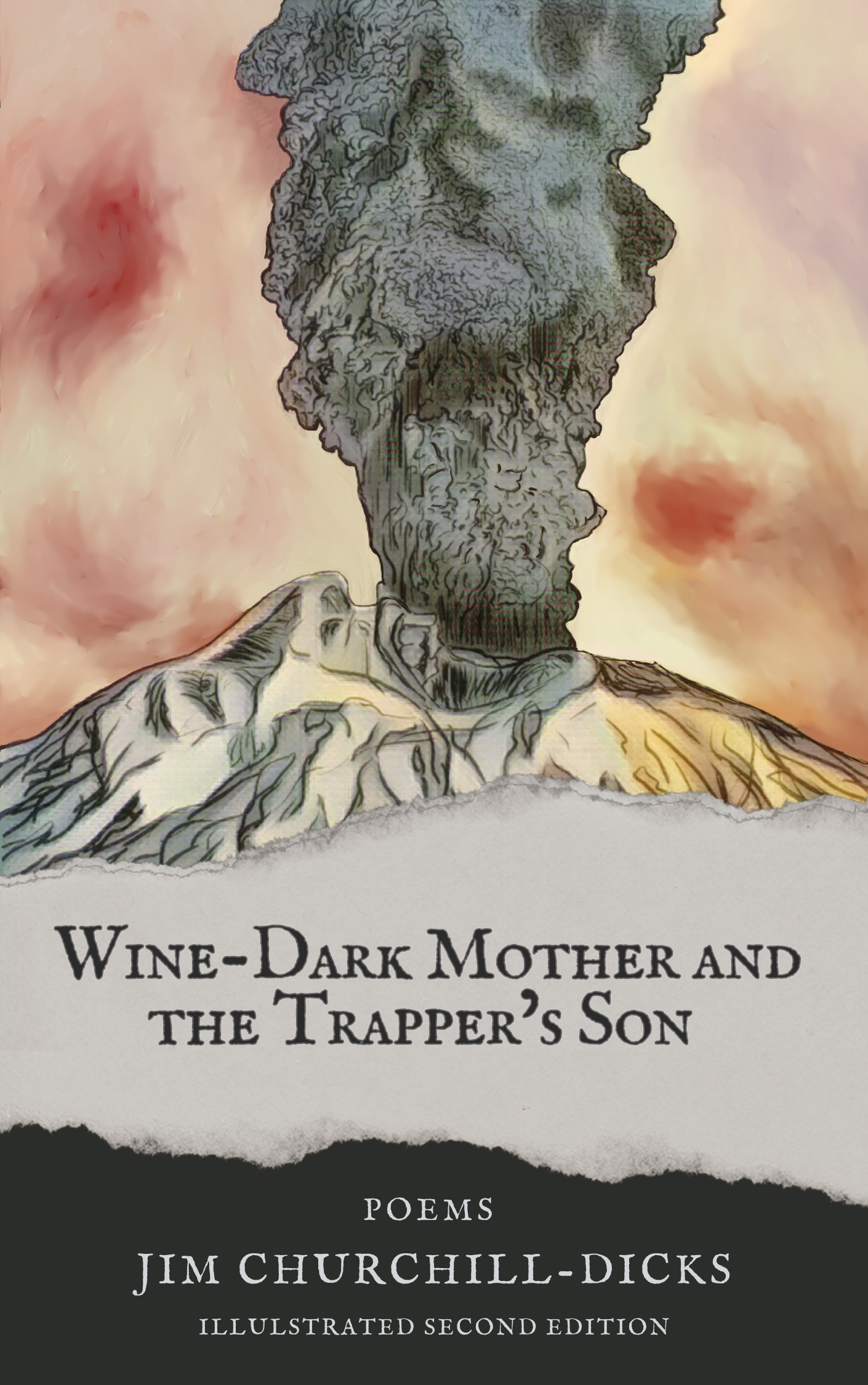
Jim Churchill-Dicks’ poetry collection Wine-Dark Mother and the Trapper’s Son witnesses the explosive landscapes of fractured families with a level gaze as tender as it is reckoning.
Tectonic violence jerks the ground under these poems. Recurring images of smoke, ash, volcanic eruptions, and what we see in the plumes create an ominous and contested beauty.
As the collection progresses, the images begin to cohere into a larger skyscape of uneasy forgiveness.
Praise
“These poems are vivid and muscular and lit as if by lightning… Tender, furious, vulnerable, and sometimes hilarious, the book arcs toward a hard-won forgiveness: the unmaking of the chosen son, the birth of a good man.”
-Katie Farris, BoysGirls, Standing in the Forest of Being Alive
Excerpts
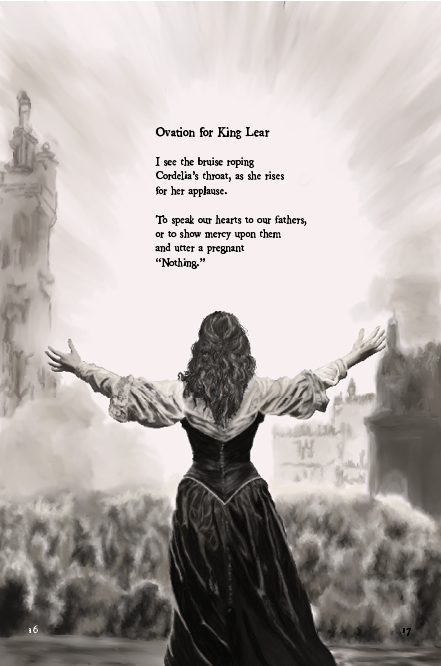
Ovation for King Lear
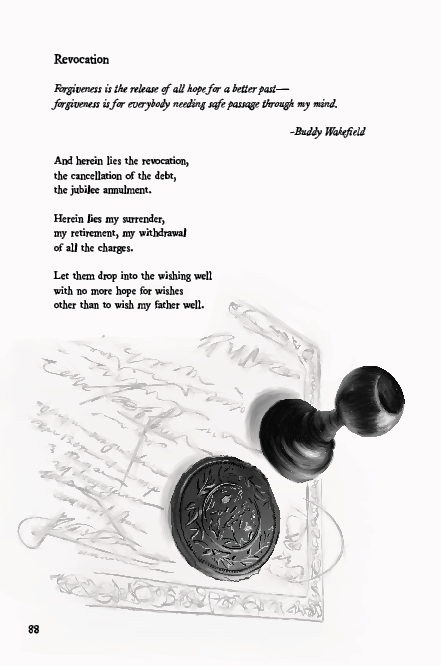
Revocation
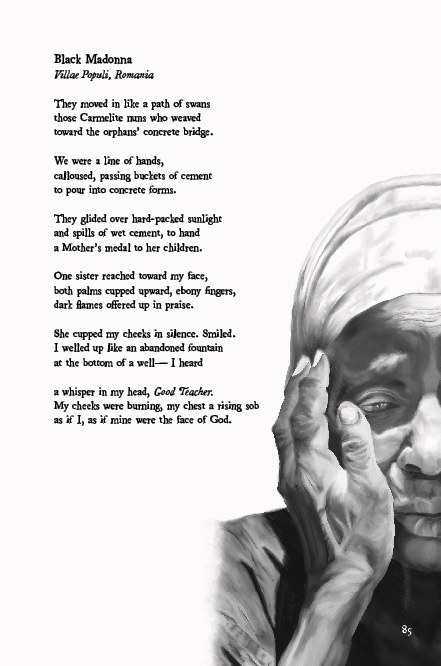
Black Madonna
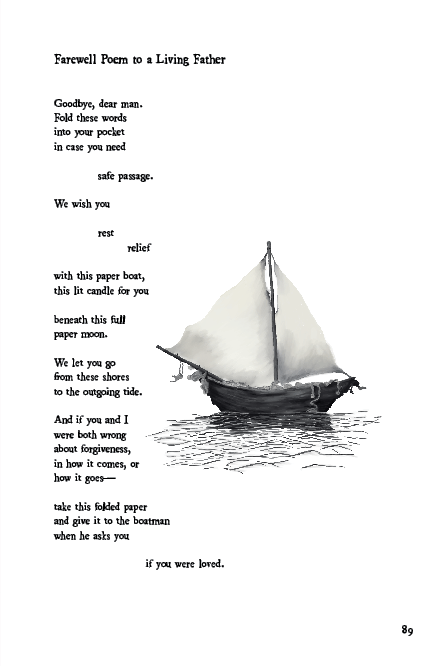
Farewell Poem to a Living Father
Reviews

“Beast angel/I present this psalm by hand.” Writes Jim Churchill-Dicks in his moving debut. Angels are terrifying, Rilke tells us, but Churchill-Dicks sees both the angelic and the terror in ourselves, our families, our passions. There is a real pain and real poise in these lines of a man who admits: “I see the bruise roping/Cordelia’s throat, as she rises/for her applause.”
-Ilya Kaminsky, Dancing in Odessa, Deaf Republic
“Some of these evoked a familiar ache in me like I could have written the same. I was taken to another time and place that exists within me.” -Ms. Malthus
Tectonic violence jerks the ground under these poems. Recurring images of smoke, ash, volcanic eruptions, and what we see in the plumes create an ominous and contested beauty: “Spirit, what do you want?/What do you want me to know/among these yellow leaves?” Contrasts with hollow despair: “That plume is a woman/who just couldn’t take any more.”
-Jessamyn Smyth, The Inugami Mochi, Gilgamesh Wilderness
“Beautiful collection which captures the beauty of the natural world, with vivid, oftentimes, disturbing images of the past longing for reconciliation and forgiveness.” -Rob McCabe
 Jim Churchill-Dicks